It is Friday and I am trying to write a post about what I did last Tuesday. It’s not such an easy thing to do when you are on a 6-7-8 tour. That is the up at 6am, bags out at 7am and leave at 8am type of tour. We do not usually do organised tours, however this has been excellent, a fabulous guide, accomplished driver, incredible food experiences, and sights and information we would not have accessed on our own.

The island of Ortigia is across a bridge from Syracuse
The schedule says we went to Syracuse.
Aha! I remember now. That is where we had the local guide with the funky green glasses and the shaved head. His idiosyncrasies almost distracted me from what he had to share about Greek and Roman history. Our walk took us through an archeological site, past the Greek theatre and the Roman amphitheatre, and on to Dyonisios “ear”, a massive cutting through a rock that served as a quarry for the surrounding structures. As we approached its cone shaped opening, we could hear La Marsellaise – the French tourists ahead of us were singing their national anthem, a large group testing the echo qualities of the cavern. Once we reached inside the cave, I marvelled that the shape did resemble the curve of the inner ear, so far as I remember from diagrams in a doctor’s office. The top of the cavern was metres above our heads.
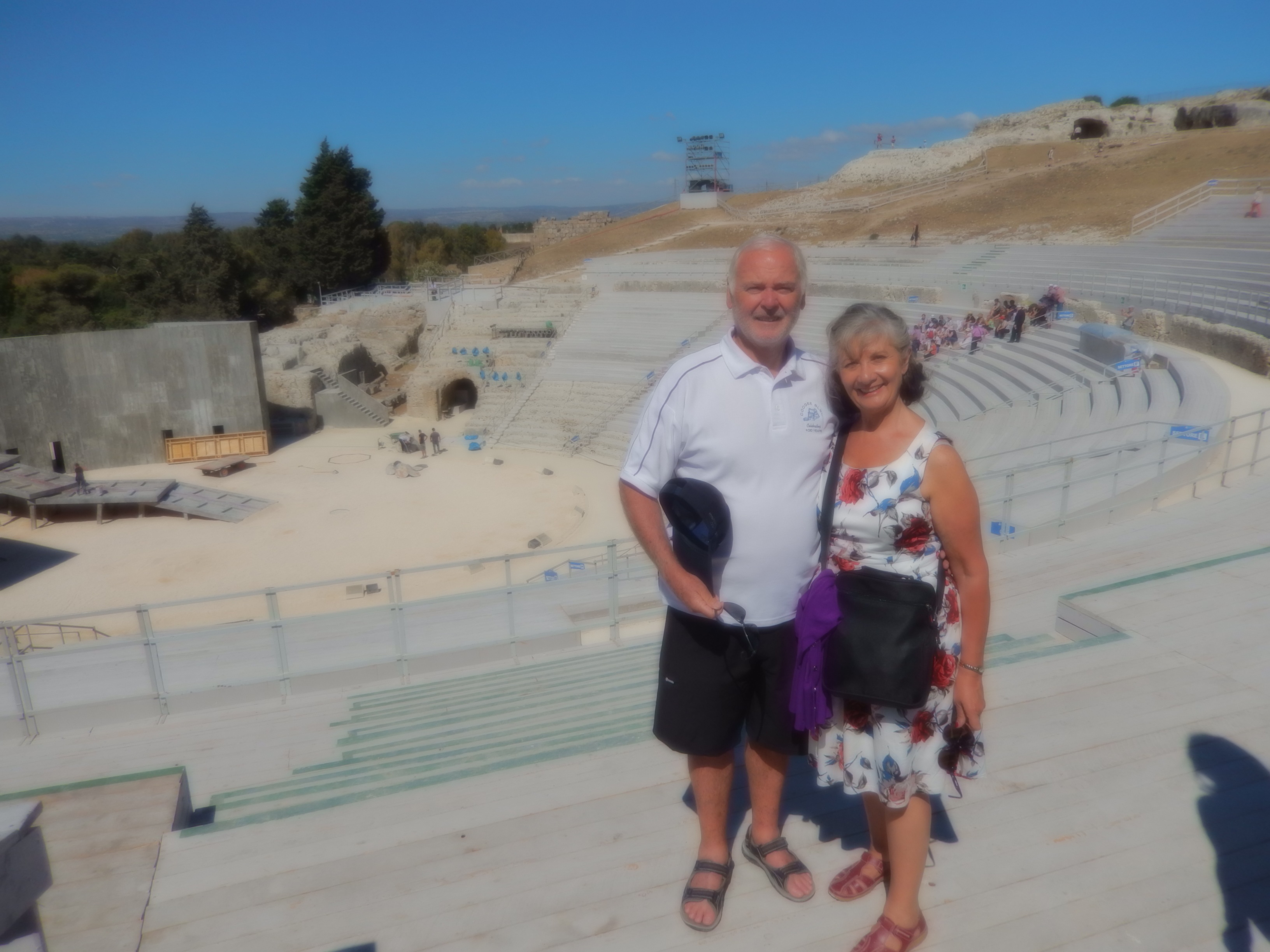
At Syracuse – amphitheatre being prepared for a live performance
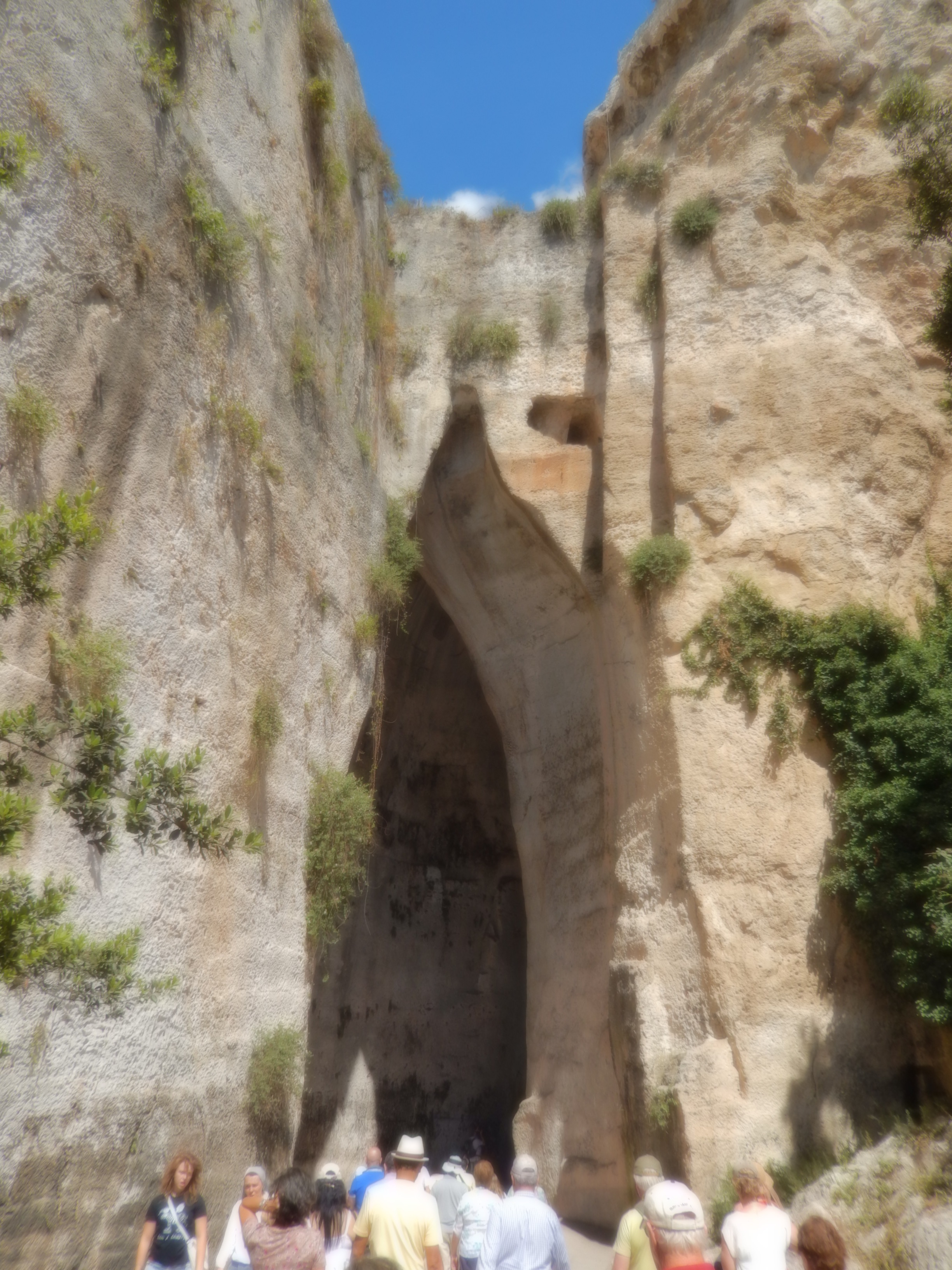
External view of Dionysios’ ear
Our guide asked if there were any Paverottis amongst us. I joked we had a few with the stomach, but I doubt if we could match the voice. Instead, we Aussies burst into a spontaneous rendition of Waltzing Matilda, it resonated and echoed in the cavern, and we knew it could be heard clearly metres away on the outside.
Then Ed began to sing. Ed – a retired science lecturer and academic from San Diego. A slight man of Chinese heritage. Ed stepped forward, spread his hands, looked up to the ceiling, opened his mouth – and out poured the most fantastic operatic voice in perfect Italian. It swelled and swirled around every corner and crevice of that cave. It left us speechless. The applause was stupendous.
Back in the coach, we drove on to Noto, a pretty city with clean wide main streets. It is a city such as I have never seen in Italy, totally Baroque, made of a local volcanic stone called Tufa. Car exhaust fumes ruin the stone, so the bottom of the city gates have had to be replaced at car level.

A square in Noto (I hope)


On top of a cathedral in Noto
The original town of Noto was destroyed by earthquake in 1640, and this town was rebuilt about eight kilometres from the original site. The Main Street is lined with aristocratic buildings and impressive churches, shining bright golden yellow like Sydney sandstone. Noto boasts sixty-four churches. Impressive staircases lead up to the main ones, the builders took advantage of the slope of the land to accentuate their grandeur. Noto has a rich past, a centre of political and religious power, a residence of important clergy, aristocracy and governors who built incredibly lavish palazzos and monasteries. Balconies jut above the street, and their undersides are lavishly decorated with stone carvings. Noto is a Unesco world heritage site. My few words have not done it justice. Perhaps some readers would like to look into this more – a starting point could be the Prince (Nicolaci) who owned the Villa Dorata in the via Corrado.
This is just a sample of our day which finally finished at Ragusa. Hope you enjoy some of the photos.
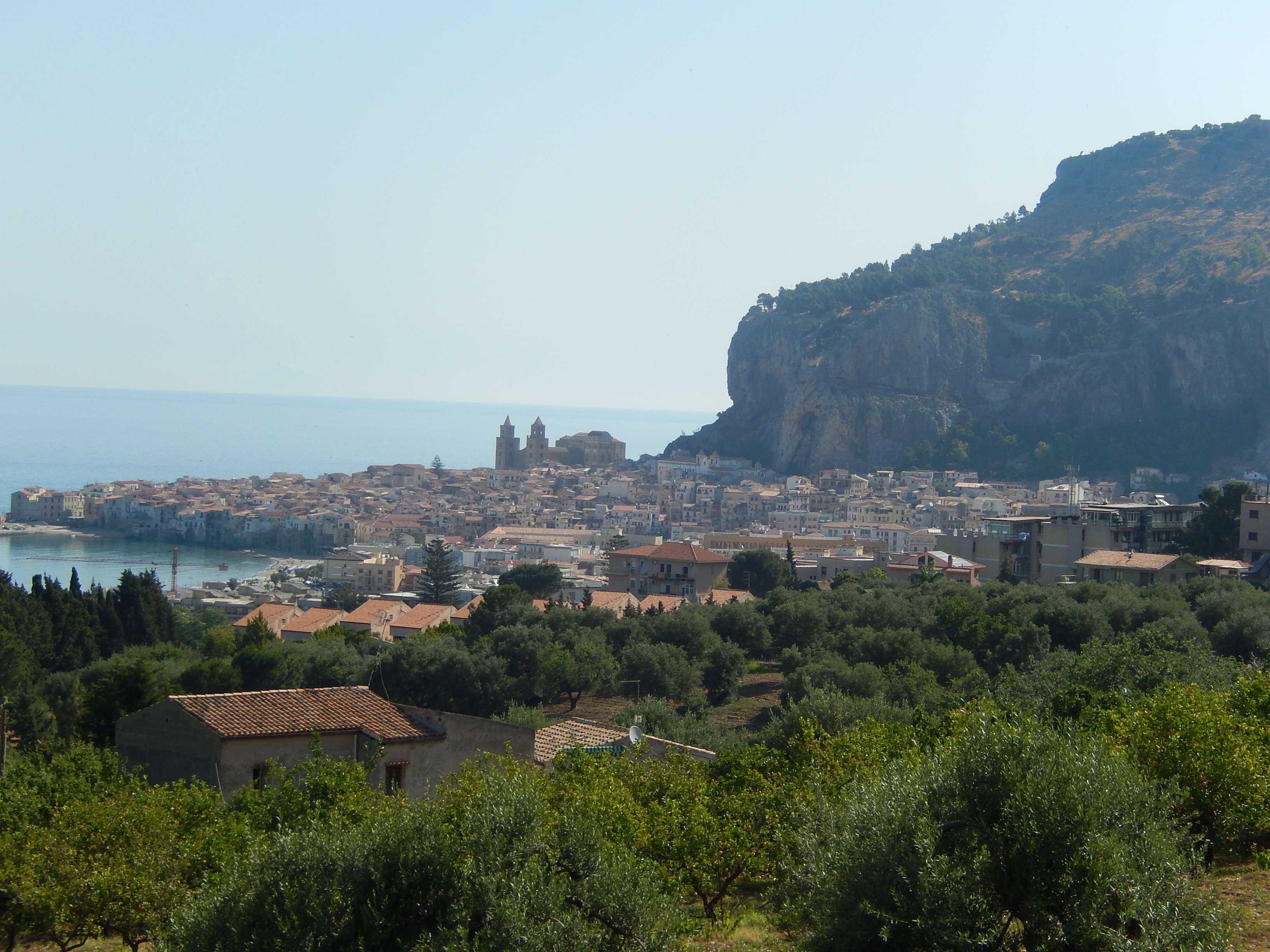
Events of Tuesday 11th June 2013, Garrulous Gwendoline, Ragusa Sicily
 GWEN WILSON The Reluctant Retiree
Gwen , The tour guide is wonderful to read, and photos are fantastic. By the way Rudd has just been re-elected back as PM…….
LikeLike
Glad you are enjoying it Bec. We just heard about the leadership spill. I let Bill have access to the iPad for a moment. I am happy we are not there to hear every moment of the argy bargy. GG
LikeLike