Monday 17th March 2014:
One of the best value tours that you can take in Armidale is the FREE guided heritage bus tour (donations welcome). It is meant to be a 2.5 hour taster, although in our case, since we were only a small group on Monday morning, we benefited from a further hour.
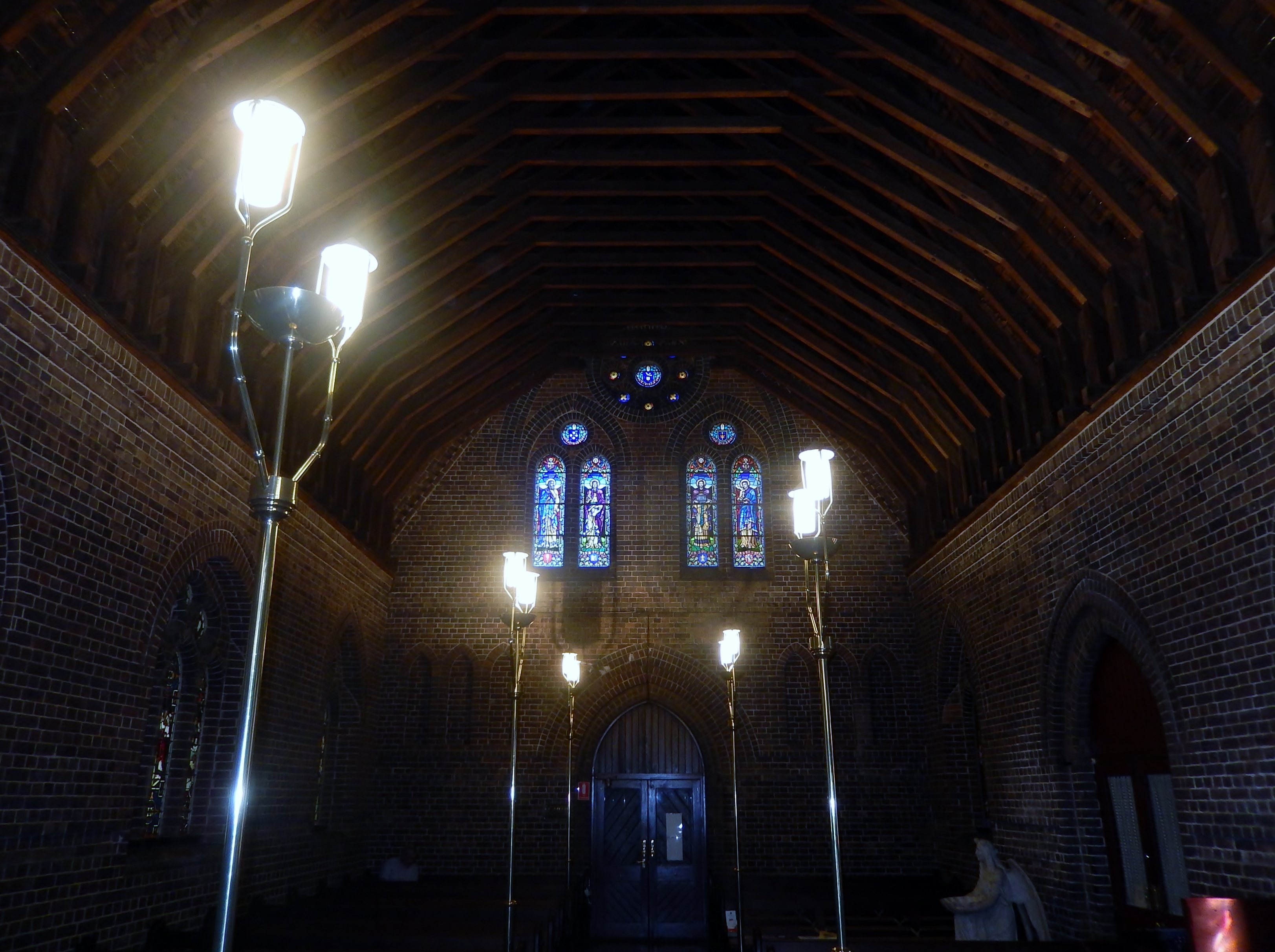
Interior St Peter Anglican Church Armidale
There are several stops as you drive around the city. Our first was to St Peters Anglican Cathedral. There is much of interest in its construction, including being made of ‘Armidale Blue‘, bricks, made from clay dug from the White property at Saumarez. Inside, the wooden ‘scissor’ ceiling is noteworthy. Lighting that simulates the gas lamps of previous days has recently been installed, to replace ugly fluorescent lighting. We also got a sample ring from the the bells in the tower.
Next was a brief stop at the Aboriginal Cultural Centre and Keeping Place which displays and sells a diverse range of Australian Indigenous arts and culture.

Entrance to Aboriginal Cultural Centre, Armidale
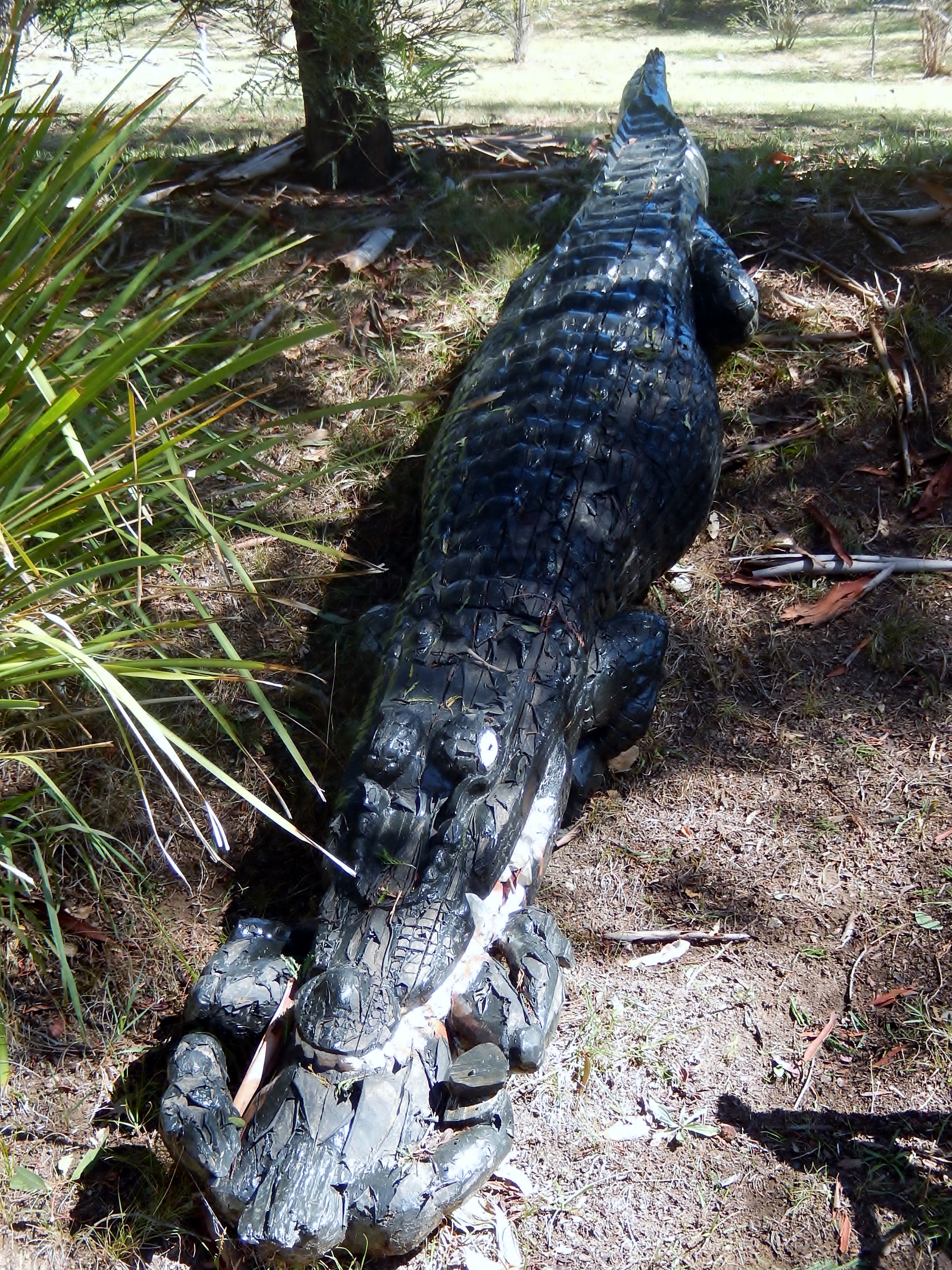
Just as well this crocodile is wooden
Most days, the next stop is New England Regional Art Museum (NERAM). This is the art gallery that we missed visiting on Saturday, and I was keen to have a look around, but no such luck – it is closed on Mondays.
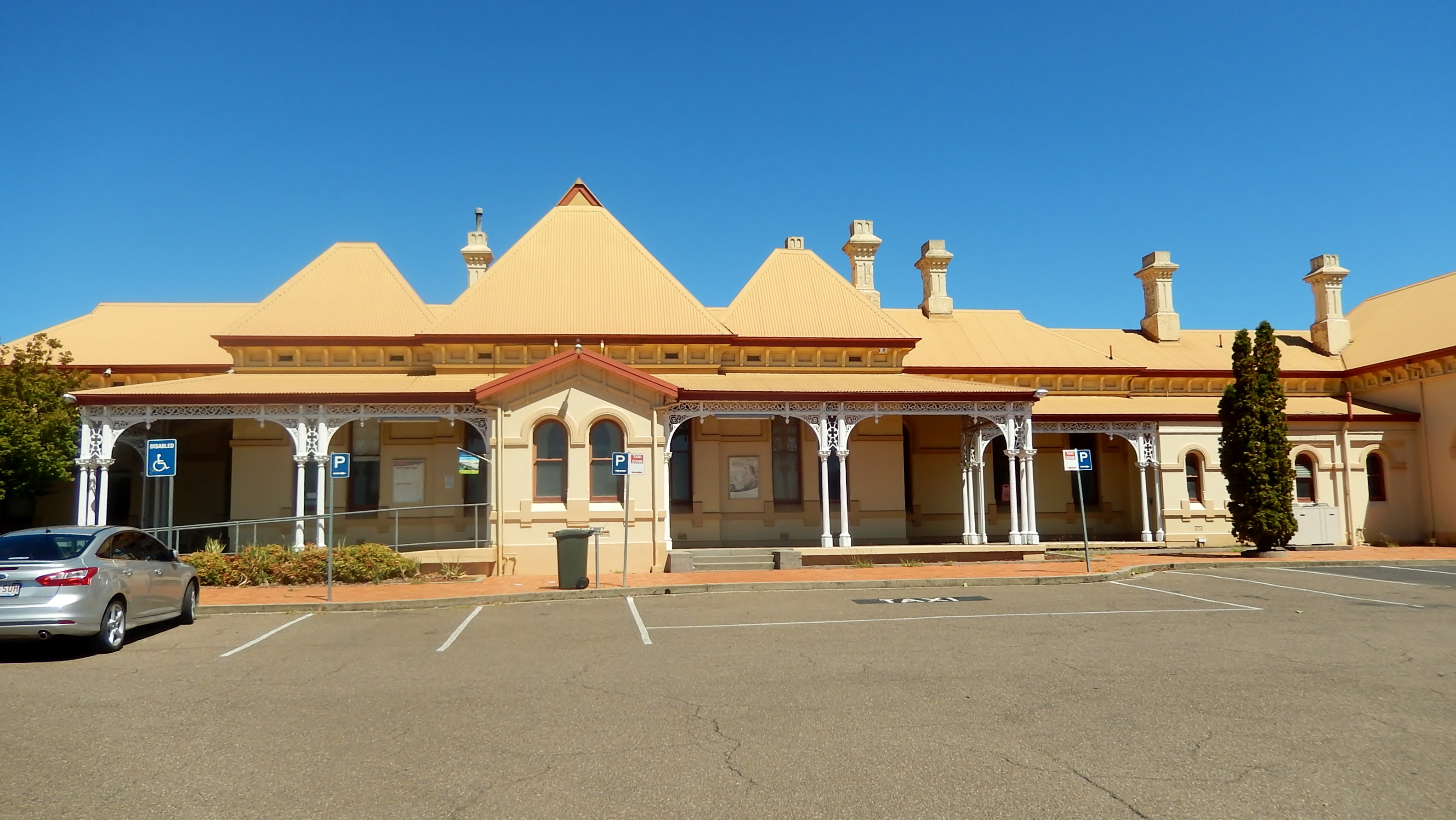
Armidale Railway Station
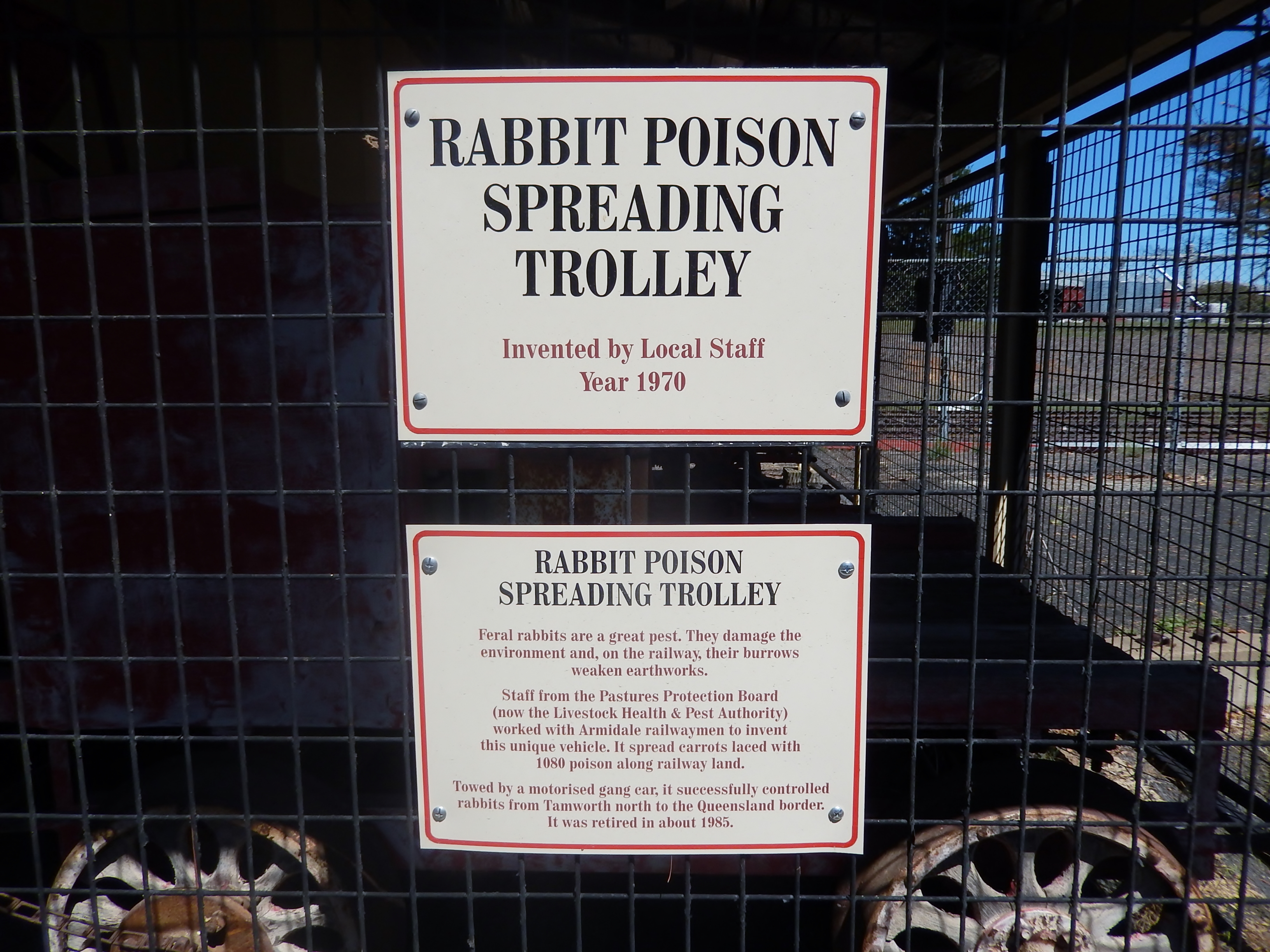 We loved our next stop, the Bicentennial Railway Museum, which depicts the days when the railway was the nation’s common carrier, transporting “everything from a needle to an anchor”. There is a comprehensive collection of fettlers’ track vehicles showing how employees got to work on the isolated stretches of country track. One of the volunteers gave us a fabulous talk on why the original railway from Sydney to Brisbane ran inland instead of directly up the coast. We just about had an engineering surveyors degree by the time we heard all he had to say. From the 1880s until the 1930s, travellers could look forward to a trip of twenty nine hours, with a change of train at the border as the rail gauges were different. Now the Main North Railway Line terminates at Armidale. I have spared my regular readers heaps of photos of fettlers’ vehicles and railway tools (unless you demand them), and just given a couple of safer options.
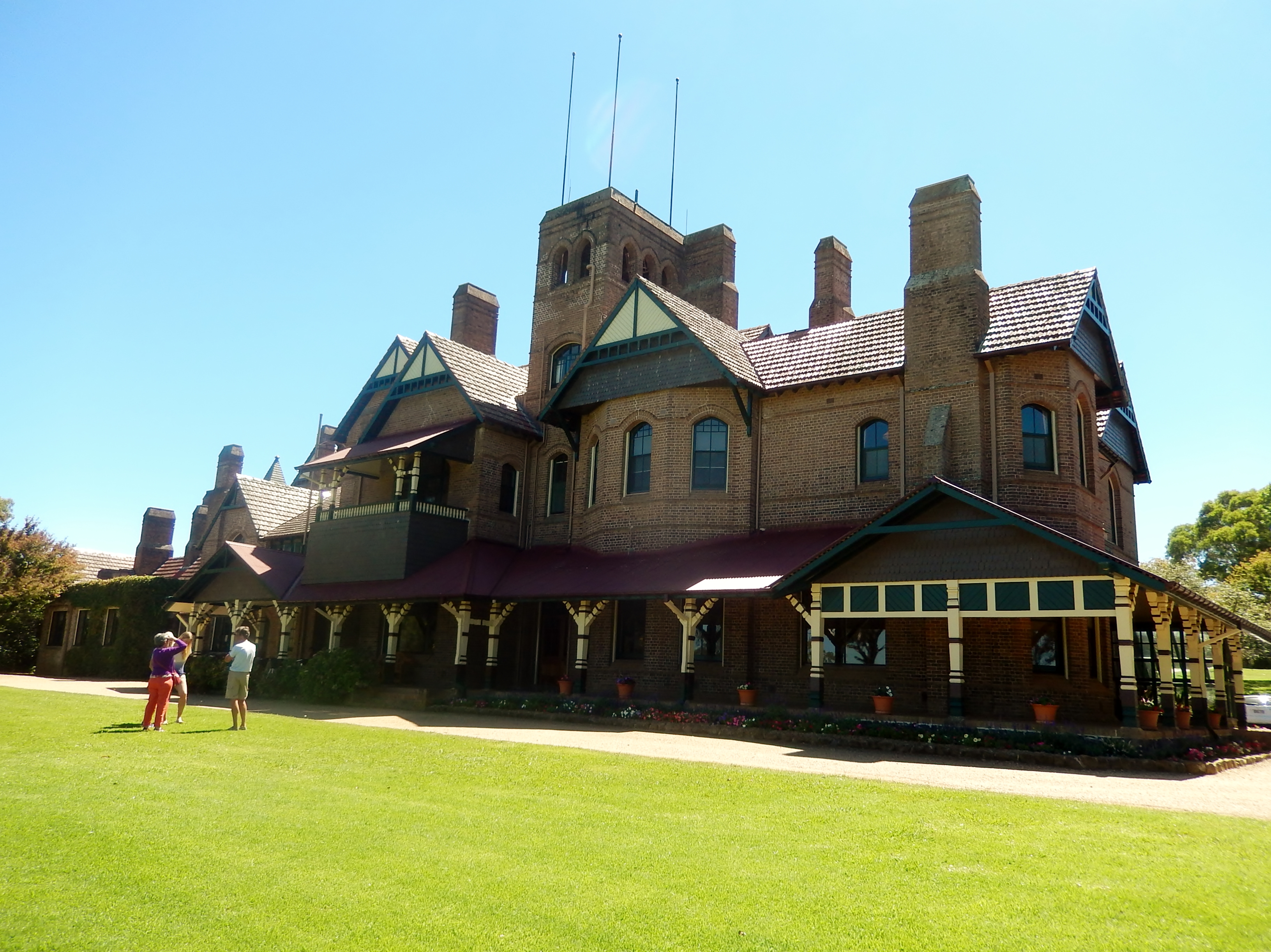
Booloominbah Armidale
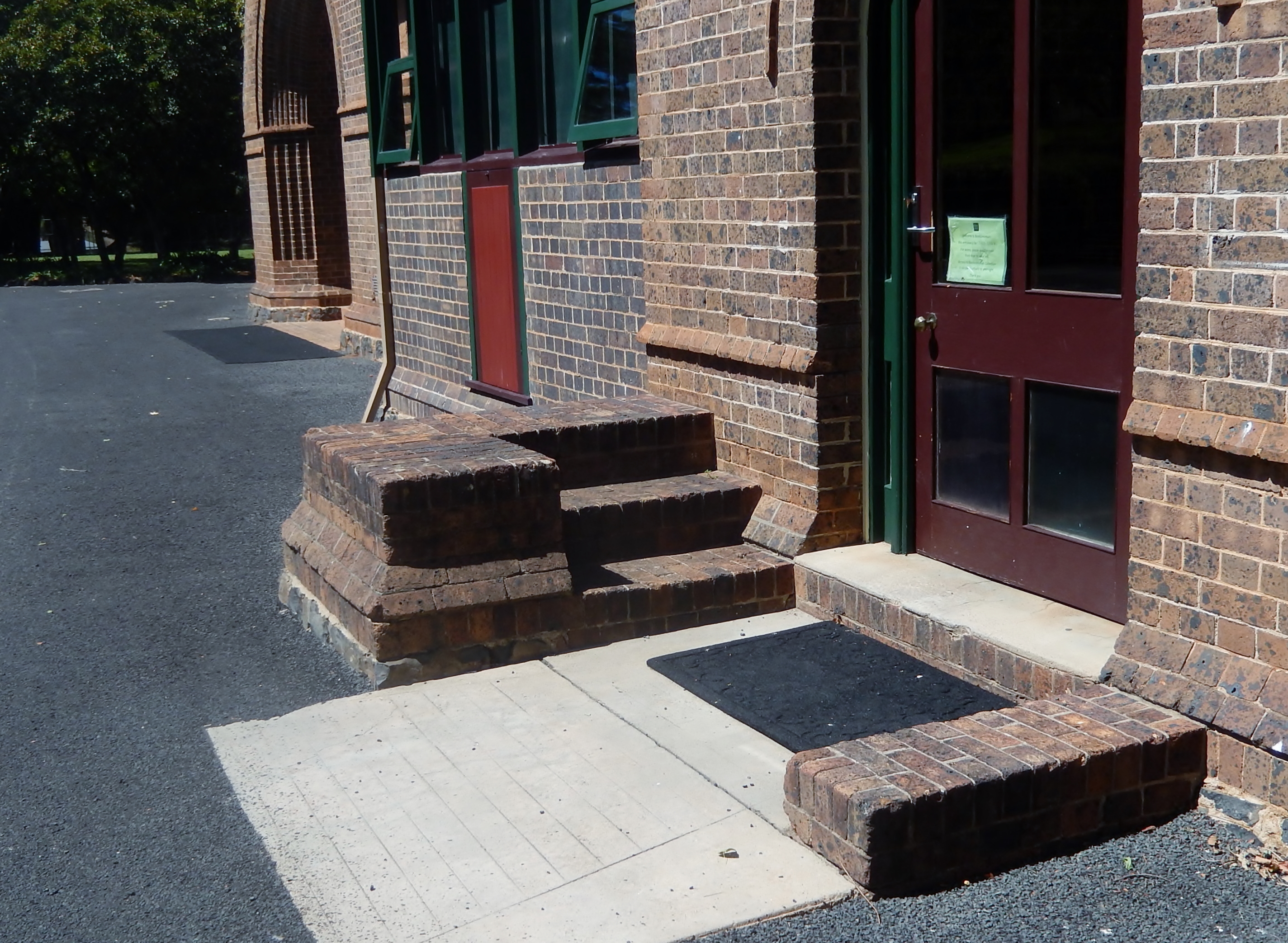
Booloominbah: Horse Mounting Block For the ladies who rode side-saddle
Last stop of this tour was Booloominbah. This grand country gentleman’s house, built 1888, was owned by Frederick White (who was related to the Whites of Saumarez Homestead). He and his wife Sarah moved to Armidale as they had lost five children in infancy, and were advised that the cooler, fresher, drier air of the Tablelands was good for health. However, while they lived here, their 22 year old daughter drowned while on a picnic nearby. How sad. During WWI, the house was used as a convalescent home for wounded soldiers. After the 1930s depression, the house became something of a ‘white elephant’ and just before the outbreak of WWII, it came into the hands of the newly established Armidale University. Students and teachers both lived and studied in the house. Imagine climbing the staircase on the way to bed each night, and going past this magnificent leadlight window. Or seeing the entrance arch for the first time, with the inscription that reads: “Welcome to coming (God) speed to parting guests”.
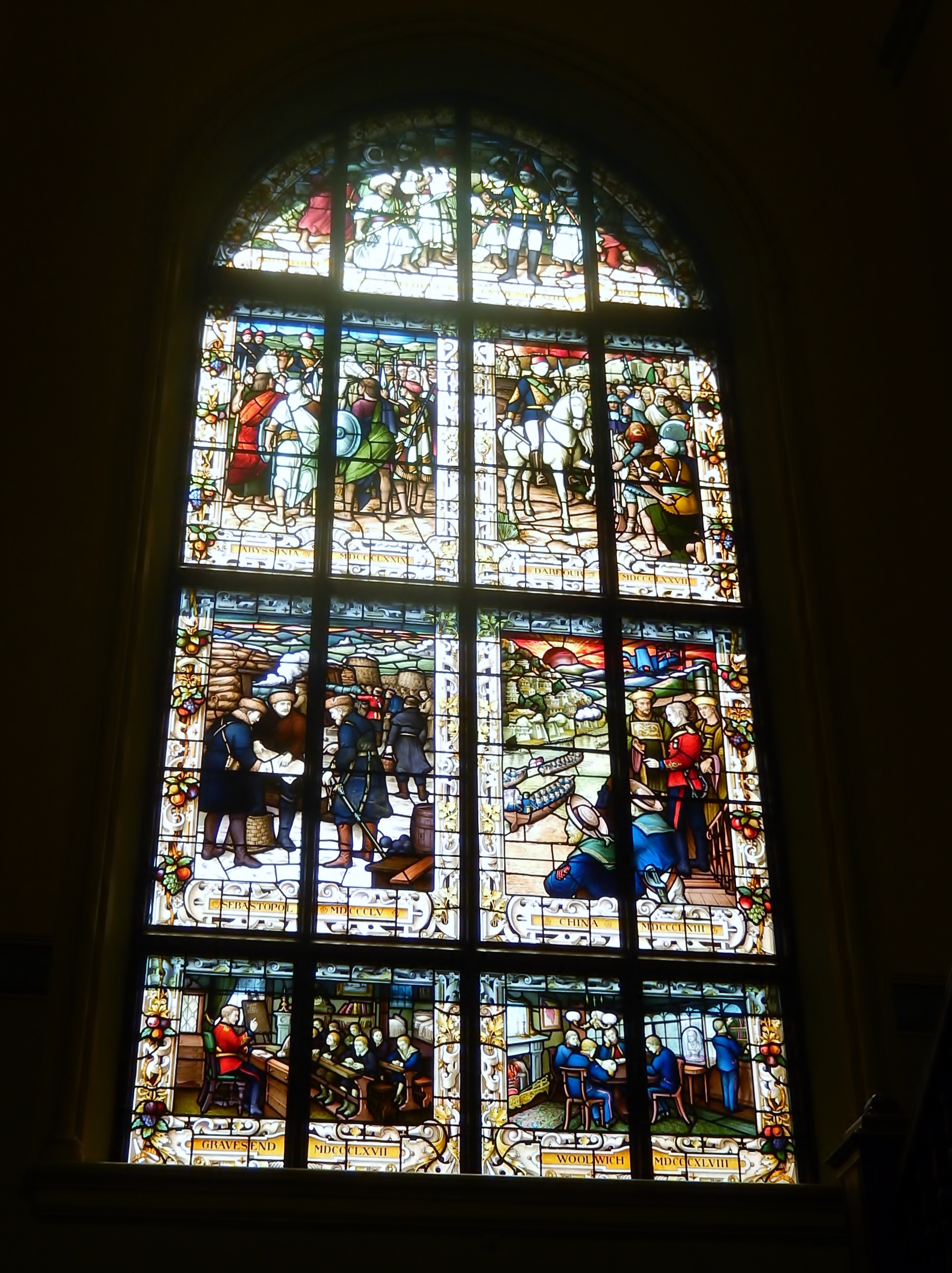
Booloominbah Armidale Staircase Window
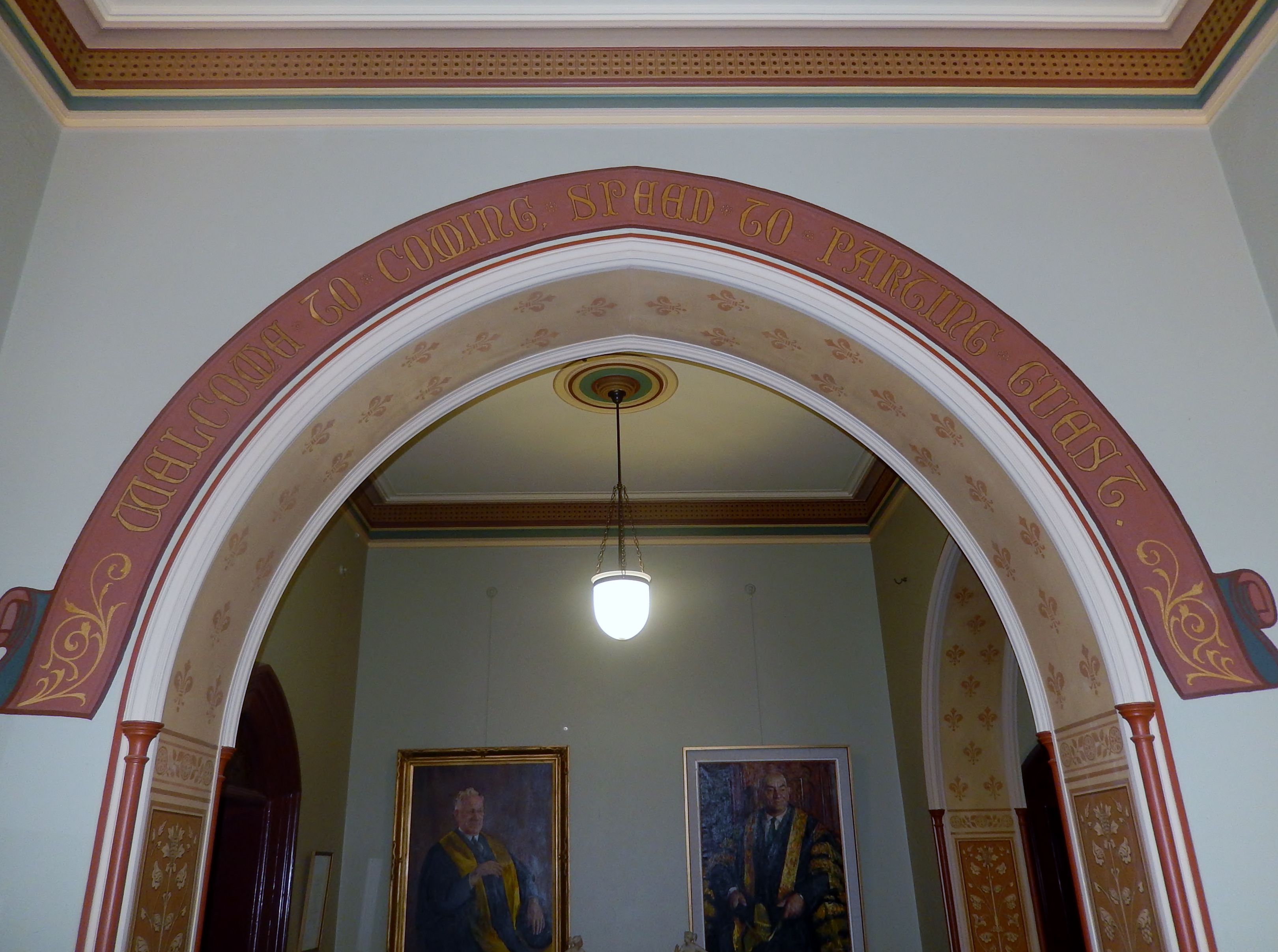
Booloominbah Armidale Entrance Arch
 Well, time to leave the great metropolis of Armidale (pop. 25,000), and head on up the highway. We didn’t know how far we would get by the end of day, but the talk at the railway museum had inspired us to call in at some of the abandoned railway stations further up the line, particularly because in their time, they were the highest in NSW, and required some (steam) engine power to get all the waggons up the incline.
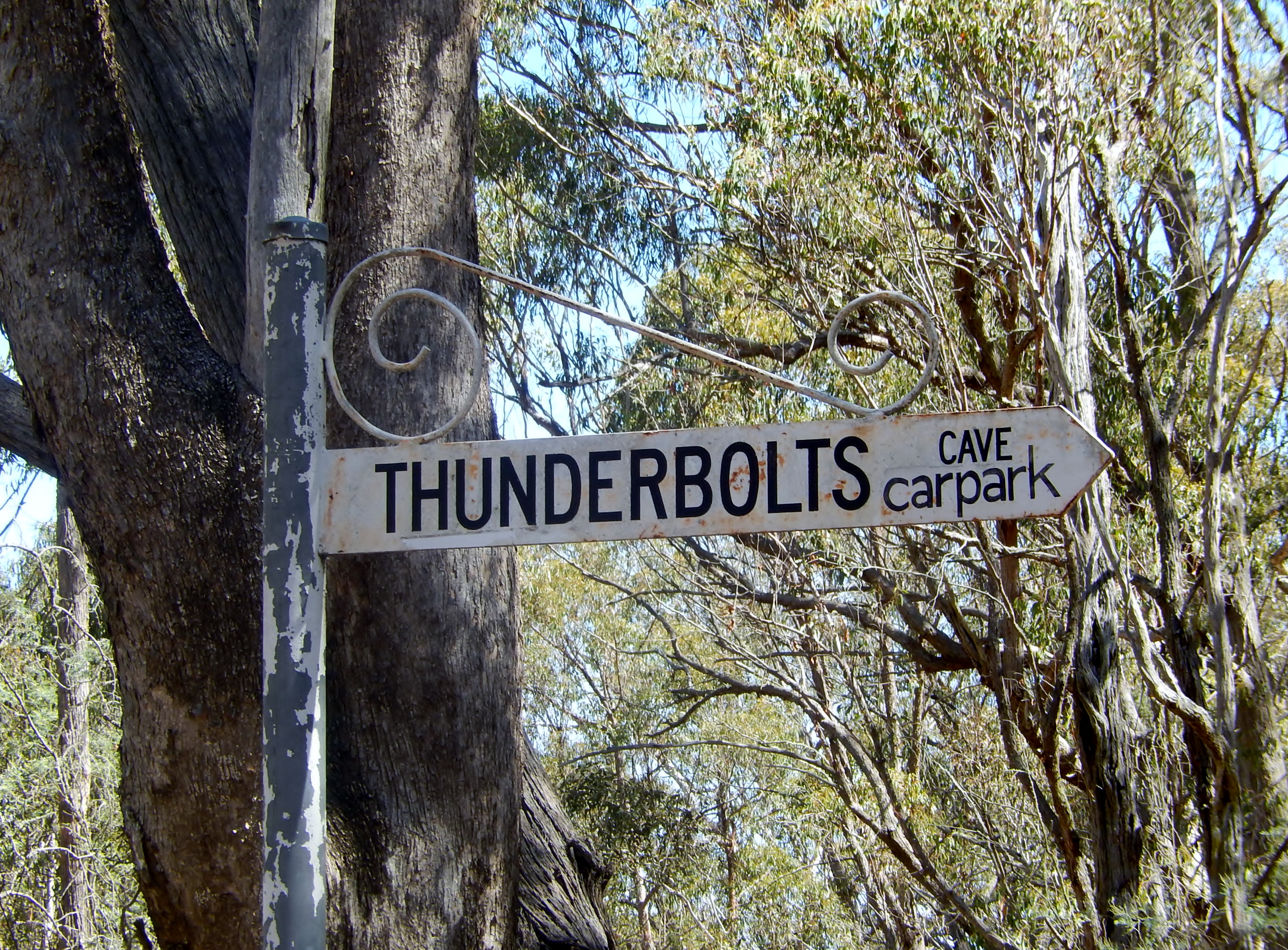
Just before we reached the first one, we saw a turnoff to “Thunderbolts Cave“. This is one of many bush hideouts that this bushranger had around the countryside around the 1860s. The trek from the carpark to the cave is about twenty minutes each way, and it is all uphill on the way back, but it is a good way to do it, as it gives you a better idea of what it would have been like to be on the run, or to be the chaser, tramping through with horses, guns and loot. The bush would have been thicker in the time, there is now a cleared track suitable for four wheel drive vehicles. In this photo, I’m smiling because I made it down – I was yet to climb back up again!


Okay, back to the railway stations. The first we visited was Black Mountain. While it was obvious that nothing had been down that track in a long, long time – it was a lovely surprise to see that a local volunteer organisation was keeping the the station in tip-top condition.


Ben Lomond Station was a little higher, but not so well-loved:


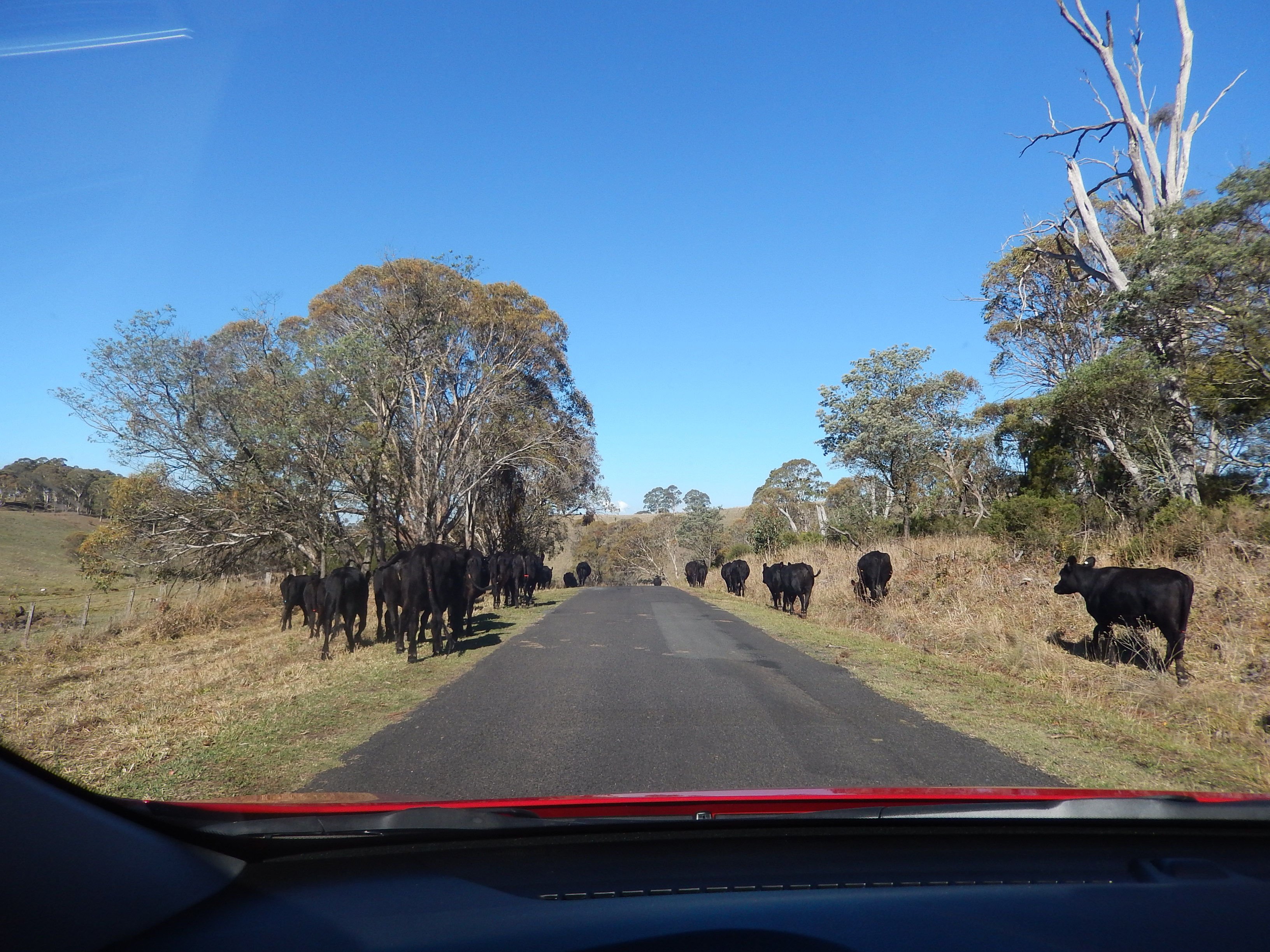 Back on the road, we came across yet another example of The Long Paddock. We have seen so many drovers with their cattle on this trip. The country is under severe drought pressure, even though we experienced both rain and hail the day before.
Further along the highway, we reached the town of Guyra. The survival of this town was under threat when the abattoir closed in 1995, but had a resurgence when a twenty hectare tomato greenhouse was opened. Top of the Range tomatoes markets under the name of Blush. They grow hundreds of kilos of vine ripened tomatoes. I had already given up hope of being able to do a tour of the facility, but was a little disappointed when I couldn’t spot any sight of it from the highway. Perhaps, though, better for the purity of the product to be grown away from highway pollution – not that there are thousands of cars on this road every day.
okely dokely, getting towards time to wrap up this post, and our day was coming to an end also.
We pulled into Glen Innes Tourist Information not long before their 5pm close, but we were in the heart of Celtic Country, and this was, after all, Saint Patrick’s Day. Even though one of their attendants was all set to leave, he happily stayed and chatted with us about the area, eventually advising us that there was an (Irish) flag ceremony, together with a glass of Jameson’s irish whiskey and a piece of fruit cake on offer up at the Australian Standing Stones. We hadn’t even found a place to sleep yet, but the lure of a free drink is to much for an Aussie to bear, so up we rushed to see what was happening.
The Australian Standing Stones is inspired by the Ring of Brodgar in Scotland’s Orkneys. The collection of stones, standing some three metres above ground level, pays tribute to the Celtic heritage of the early European settlers to the district – the Irish, Welsh, Cornish, Scottish, Manx and Bretons, and has great spiritual significance if you are inclined to the beliefs of the Druids and such ancient cultures. Certainly, the positioning of the stones signifies the planting and harvesting seasons, expressed by the summer and winter equinox. A little more on that tomorrow.


 GWEN WILSON The Reluctant Retiree
Pingback: Grafton > Casino | The Reluctant Retiree
Pingback: Seeing “stuff” at Glen Innes and Inverell | The Reluctant Retiree
Hi Gwen, reading your posts always leaves me wanting to travel 🙂 When I finish training I have a growing list of places that I would love to visit and one day perform in.
Thank you so much for the pictures as there is something about the beautiful blue skies that reminds me that our summer is coming soon and with it a change in my wardrobe 🙂
Best wishes
Charlotte
LikeLike
Intense aren’t they? Until you are thirty years old you are entitled to a Working Holiday Visa which allows you casual work rights, provided you don’t work for the same employer for more than 6 months, although the main purpose of your trip must be for holiday. You can stay for up to 24 months. So we may see you here under that scheme one day 🙂
LikeLike